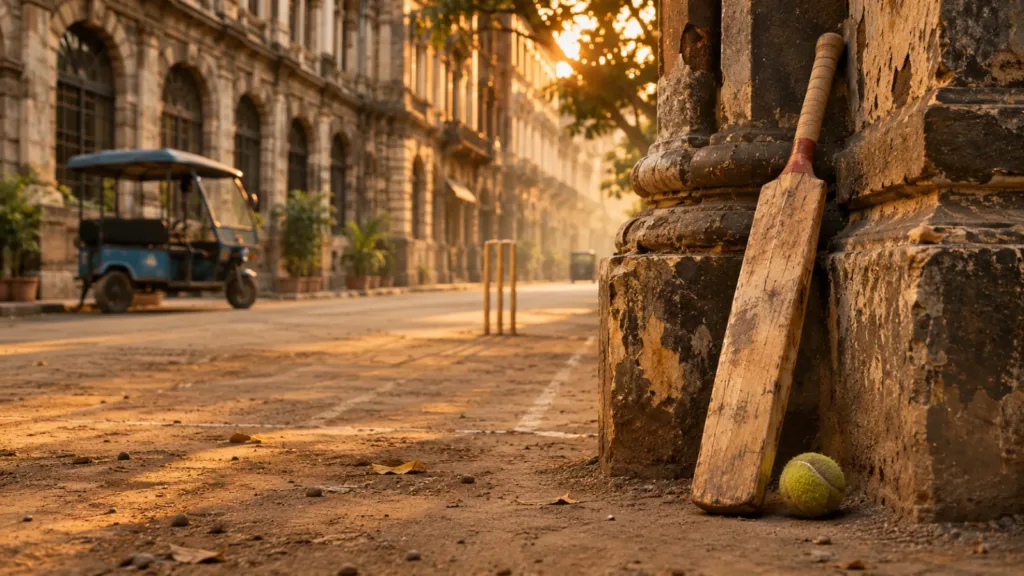
The first ball of the most closely watched royal tour of the year was bowled on a street in Ballard Estate, Mumbai, with Sachin Tendulkar standing by. William batted and bowled. Kate batted. And the Princess of Wales, whose place on the trip had been confirmed only at the last minute, looked like a woman who had decided she was very much back.
The William and Kate India tour ran for three days, from Monday 16 to Wednesday 18 November 2026. It took in Mumbai, the Earthshot Prize awards, a ride on the city’s metro and, in a late addition to the schedule, a meeting with Narendra Modi in New Delhi. It was the couple’s first visit to India since April 2016, and, as ITV put it, Kate’s first long-haul overseas trip since she announced her cancer diagnosis in March 2024.
The plus-one that changed the story
For a while it was William’s trip. The Earthshot Prize is his project, founded in 2020 and now halfway through a ten-year mission, and India was hosting the awards for the first time. Then, on the eve of departure, Kensington Palace confirmed that he would not be travelling alone. Hello! magazine reported that Catherine’s attendance was not confirmed until a day before the flight.
That one decision rewrote the coverage. A climate prize ceremony became a comeback tour. Every handshake was read for stamina, every outfit for meaning. After a near ten-hour overnight flight, the couple went straight to the cricket.
There is a lesson in the timing. Palace aides have learned that announcing Kate early creates expectations, and that announcing her late creates headlines. Both were met.
Rickshaws, metro rides and a dance to Take That
The itinerary was built for pictures. On Tuesday 17 November William drove an electric rickshaw with his wife as passenger. The vehicle was made by Mahindra Last Mile Mobility, which, as it happened, went on to win £1 million that same night. The couple also rode the Mumbai metro and sat through the Earthshot Impact Assembly, with Kate in the front row.
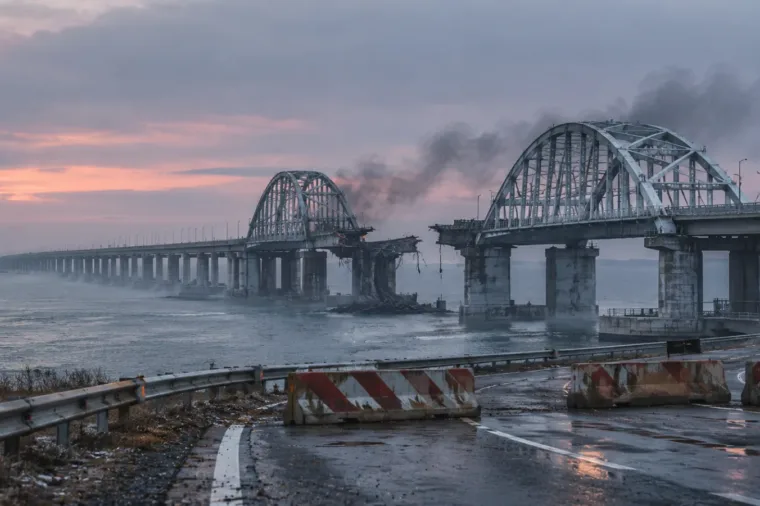
The awards themselves were held at the Jio World Convention Centre in front of about 5,000 guests. Rami Malek and Tendulkar presented. Take That’s Gary Barlow, Howard Donald and Mark Owen performed, and Hello! reported that the royal couple danced. Mumbai, not to be outdone, lit up a major bridge with an image of Modi.
Kate made a rare speech. “Entire species are being lost as habitats that have sustained life for millions of years, disappear before our eyes,” she said, before adding: “Fortunately, there is reason for hope.” She handed the Protect and Restore Nature prize to Bhutan, saying its work would “create seismic change that will improve lives for generations to come”.
The wardrobe did its own diplomacy. According to PA, Kate wore a vermilion Anarkali by the Indian designer Mahima Mahajan, in handwoven silk georgette with Banarasi gold detailing. William wore a bespoke bandhgala jacket by Manish Malhotra. Nobody needed a briefing note to read that. (We have written before about the Princess of Wales effect on what women buy; expect Mahajan’s name to be searched for some time.)
Who actually won the £1 million prizes?
Five winners each took home £1 million:
- Mahindra Last Mile Mobility, for Clean our Air, the electric vehicle maker whose rickshaw William had driven hours earlier.
- Niue Ocean Wide Trust, for Revive our Oceans.
- Bhutan, for Protect and Restore Nature, recognised for writing nature protection into its constitution and keeping close to 70 per cent forest cover.
- PFAS-Free France, campaigning against so-called forever chemicals.
- Ørsted, the Danish energy company, which has cut its direct carbon emissions by more than 98 per cent according to t2, the lifestyle section of The Telegraph India.
The rickshaw coincidence was the sort of thing a cynic would enjoy. It is also, to be fair, exactly how Earthshot is meant to work: show the solution, then reward it.
Why was a Delhi meeting with Modi bolted on?
The trip was first billed as an Earthshot visit to Mumbai. The Deccan Chronicle reported that a Delhi leg had been added for a meeting with the prime minister, and on Wednesday 18 November the couple flew north to Modi’s official residence. PA reported that Modi had returned early from an official visit to the Philippines to make time for them. That is not nothing.
According to Kensington Palace, they discussed the UK-India relationship, the success of the Mumbai awards and India’s growing role in environmental innovation. The couple thanked India for a “warm welcome”. Modi thanked William for bringing Earthshot to the country.
Strip away the courtesies and the subtext is trade. Modi and Keir Starmer, then prime minister, signed a UK-India trade agreement in July 2025, and it came into force a year later. Al Jazeera noted that UK government estimates put the long-term boost to bilateral trade at £25.5 billion a year, with trade already worth about £48 billion in 2025. A future king sitting down with the Indian prime minister is the softest kind of sales pitch, and the most effective.
There is a wrinkle. Modi has spent years talking about the need to “decolonise the mind”, renaming streets and replacing British-era penal codes. A smiling photograph with the heir to the British throne sits awkwardly with that rhetoric. Both governments appear to have decided it can sit awkwardly for the sake of business.
What the tour signals about Kate
On the final morning, before the flight to Delhi, Kate visited the Nowrosjee Wadia Maternity Hospital in Mumbai. PA reported that she held the hand of a mother whose newborn twin daughter had died a few weeks earlier. It was the quietest engagement of the trip and, for many who followed it, the one that stayed.
The ITV and PA coverage was careful not to overclaim about her health, and nor should anyone else. What can be said is simple. She flew long-haul, kept a full schedule, spoke on stage and finished in Delhi. In 2024, nobody at Kensington Palace would have dared to pencil it in.
The tour also showed the shape of the Wales operation. Less pageantry than the 2016 visit, more causes. Fewer palace balconies, more street cricket. A ten-year climate prize as the reason to go, a prime minister as the reason to stay an extra day.
The Earthshot Prize has four years left on its ten-year clock. Each host city from here will be asking the same question Mumbai asked a day before the flight: is she coming too?